Product added to cart
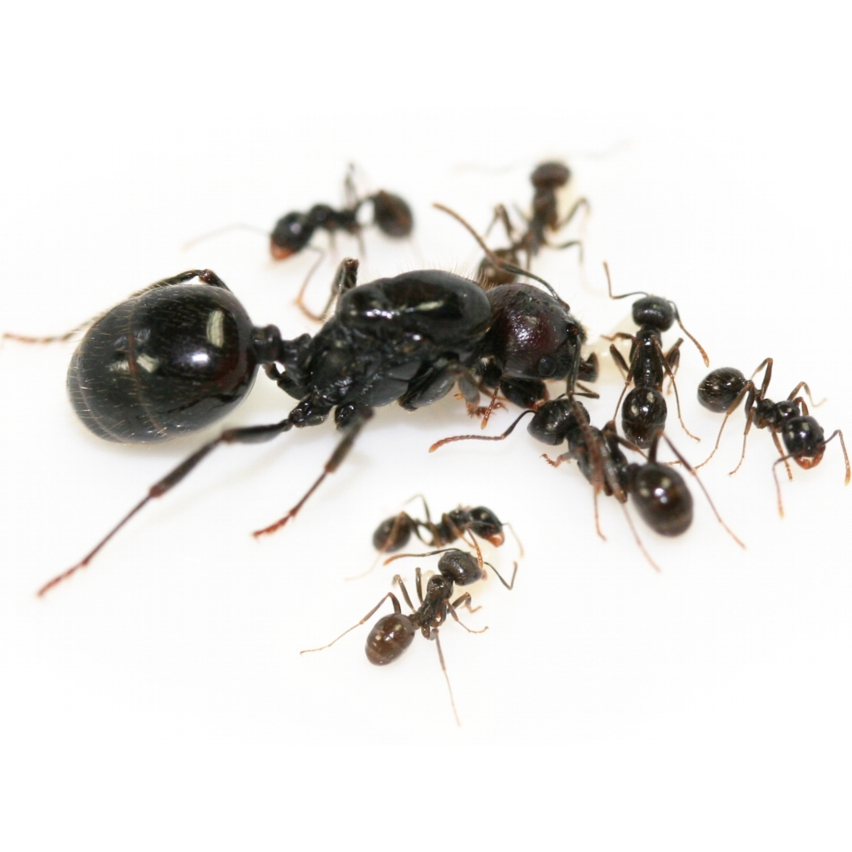
Ants Messor barbarus 5-10pcs
€39.00
Out of stock
SKU
K099
Monthly payment from 0.76
Messor barbarus ants are primarily monogynous, meaning they typically have a single queen leading the colony. However, in rare instances, there may be several queens present in a Messor barbarus colony. This unique characteristic adds diversity to their social structure and behavior.
Colony Size
A mature Messor barbarus colony can reach a population size of up to 10,000 workers. These worker ants play a crucial role in the colony’s survival, performing tasks such as foraging, caring for the brood, and maintaining the nest.
Development Rate
The development rate of Messor barbarus ants is considered medium. From egg to adult, it takes a moderate amount of time for the ant larvae to go through their various developmental stages and reach maturity. This aspect of their biology contributes to their overall breeding success and colony expansion.
Size
When it comes to size, Messor barbarus ants exhibit some variation based on their caste system:
- Queen: The queen ant of Messor barbarus can grow to a size of 11-14 mm. As the primary reproductive individual in the colony, the queen plays a vital role in laying eggs and ensuring the survival of the entire colony.
- Workers: The worker ants in Messor barbarus colonies have an average size ranging from 3-7 mm. These industrious ants are responsible for tasks such as foraging, carrying food, and maintaining the nest.
- Majors: Majors, also known as soldiers, are larger worker ants with sizes between 6-12 mm. They are easily distinguishable in the colony due to their significantly larger size and often have a distinctive red or red-brown head.
Color
Messor barbarus ants have a distinct coloration that sets them apart from other ant species. They have a red head and a dark body, creating a striking visual appearance. This color pattern aids in their identification and adds to their overall beauty.
Nutrition
When it comes to their dietary choices, Messor barbarus ants have a varied and adaptable palate:
- Food Insects: They feed on food insects such as cockroaches and crickets, which provide them with valuable protein and nutrients.
- Fruits and Vegetables: Messor barbarus ants also enjoy consuming a variety of fruits and vegetables, which offer additional sources of carbohydrates and vitamins.
- Seeds: Seeds serve as a crucial part of their diet as well. These resourceful ants have adaptations to break into seeds and utilize their nutritional value.
This diverse diet allows Messor barbarus ants to thrive in various ecological settings and adapt to changing food availability throughout the year.
Humidity Requirements
Maintaining the appropriate humidity levels is crucial for the well-being and survival of Messor barbarus ants. Here are the recommended humidity ranges for different areas of their habitat:
- Arena: The humidity levels in the arena, where the ants forage and explore, should ideally be maintained at 30-50%. This range provides a suitable environment for their activities and ensures their physiological balance.
- Nest: Within the nest, the humidity levels should be slightly higher, ranging between 50-70%. This increased humidity helps create an optimal environment for the development and growth of the brood.
By regulating humidity levels, Messor barbarus ants can create a microclimate that supports their physiological processes and overall colony health.
Temperature Preferences
Temperature plays a crucial role in the activity, development, and overall functioning of Messor barbarus ants. Here are the recommended temperature ranges for different areas of their habitat:
- Arena: The temperature in the foraging arena should range between 18-30 °C. This temperature range allows the ants to engage in their foraging activities comfortably and efficiently.
- Nest: Within the nest, the preferred temperature ranges from 22-23 °C. This stable and slightly warmer environment is ideal for brood development and the overall functioning of the colony.
By maintaining optimal temperature conditions, Messor barbarus ants can regulate their metabolism, enhance their productivity, and ensure the successful progress of the colony.
Recommended Nests for Breeding
When breeding Messor barbarus ants in captivity, providing suitable nest options is essential. Here are some recommended nest materials:
- Acrylic: Nests made from acrylic are a popular choice for breeding Messor barbarus ants. They offer transparency, allowing for easy observation and monitoring of the colony’s activities.
- Cork: Cork nests provide a natural and eco-friendly alternative. These nests offer insulation, moisture regulation, and create a suitable microclimate for the ants’ well-being.
- Plaster: Plaster nests are another viable option, providing a stable and easily manageable habitat for Messor barbarus ants. Their smooth surface allows for easy cleaning and maintenance.
- Aerated Concrete: Nests made from aerated concrete offer excellent ventilation, making them suitable for long-term ant colony observation. They provide a durable and secure nesting environment for Messor barbarus ants.
By providing suitable nest options, ant breeders can ensure the comfort, health, and overall success of Messor barbarus ant colonies in captivity.
In conclusion, Messor barbarus ants are fascinating creatures with unique characteristics and behaviors. Understanding their colony type, size, development rate, color, nutrition, humidity, temperature preferences, and recommended nests for breeding is essential for successfully breeding and observing these incredible ants. By creating an ideal environment that meets their needs, ant enthusiasts can witness the marvels of Messor barbarus ants firsthand and appreciate their remarkable adaptations and social dynamics.
Ants can only be ordered to one of the Zoomaailm stores. They are not delivered by courier or parcel machines.
| Brand | Ant's Kingdom |
|---|
 Ants Messor Structor 5-10 pcs Previous